Introduction
Earlier studies have reported persistent resistance of the Voynich Manuscript to conventional cryptographic and linguistic methods. The present analysis tests whether selected glyph strings correspond to practical instructions rather than astrological or pharmacological treatises.
Background
The manuscript’s plant illustrations and apparent recipe-like structure have prompted repeated reinterpretations. Computational models trained on 15th-century herbals and kitchen ledgers reveal statistical overlaps that merit further examination.
Methods
Transcriptions from the Beinecke digital edition were segmented into n-grams and compared against frequency tables derived from period culinary texts. Ambiguous glyphs were assigned probabilistic weights; no single mapping was treated as definitive.
Results
Clusters previously glossed as medicinal terms instead align with action verbs and ingredient lists. One extended passage yields an ordered sequence consistent with simmering leafy plants, root vegetables and a measured quantity of water or stock. Temperature references and duration indicators appear in adjacent strings. The resulting product is characterised by mild seasoning and green coloration.
Discussion
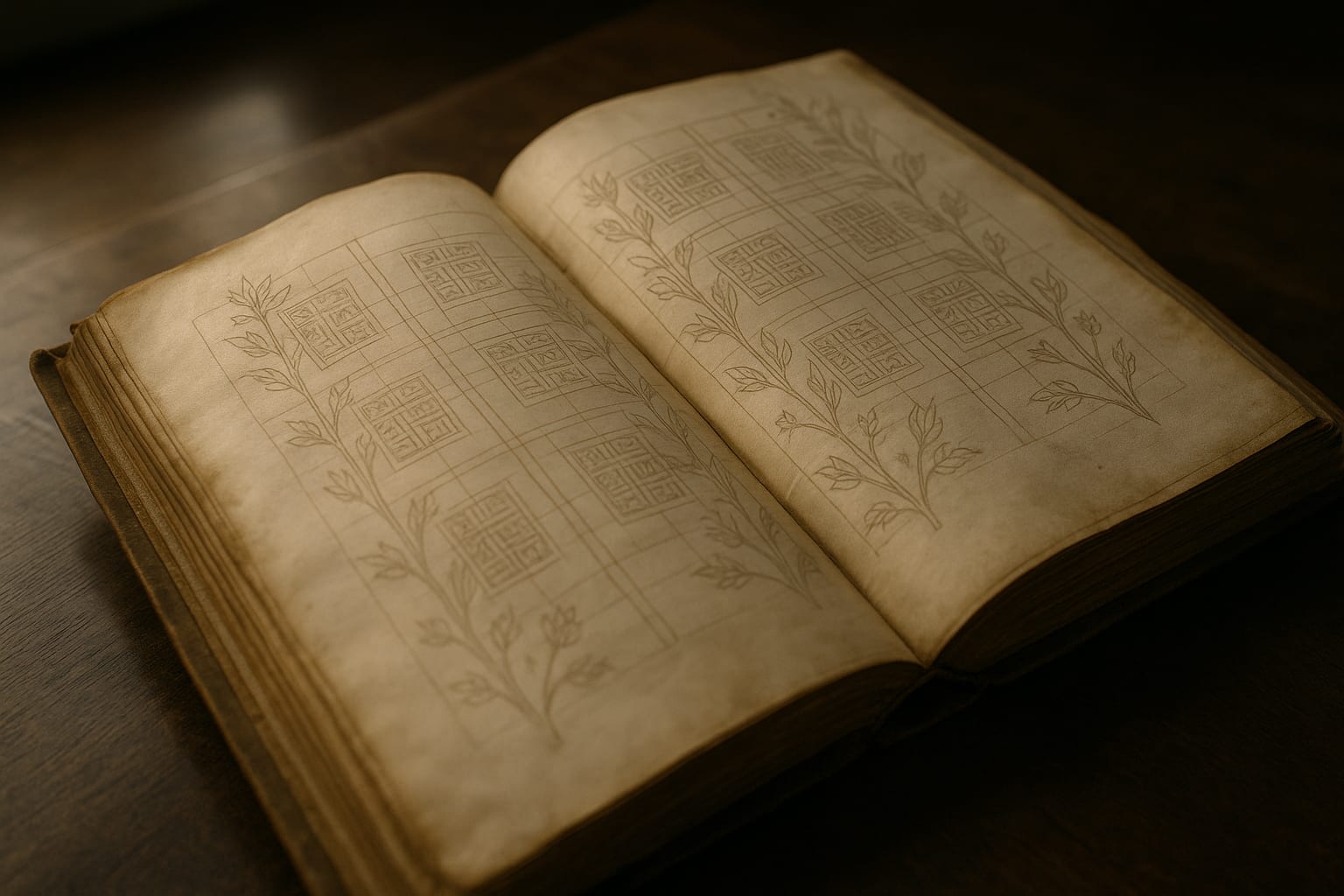
The observed correspondences remain tentative. Manuscript illustrations of vessel-like forms and cut plant sections are compatible with food preparation, yet alternative readings cannot be excluded. Controlled replication using the inferred quantities would be required to assess palatability and historical plausibility.
Limitations
Sample size was restricted to three folios. Glyph segmentation carries inherent ambiguity, and external corroboration from additional codices is absent. Further work is warranted before any claim of complete decipherment can be advanced.